Introduction
In today's digital landscape, where competition is fierce and consumer choices are abundant, establishing trust and credibility has become paramount for businesses. One powerful way to build this trust is through social proof—an essential concept in marketing that showcases the experiences and opinions of others to influence potential customers' decisions. This article delves into various reputation management techniques that leverage social proof, highlighting their importance for businesses ranging from small startups to large enterprises. As we explore these strategies, we'll also discuss how different types of agencies—like Digital Agencies, Creative Agencies, and SEO Companies—can help facilitate effective reputation management.
Understanding Social Proof in Marketing
What is Social Proof?
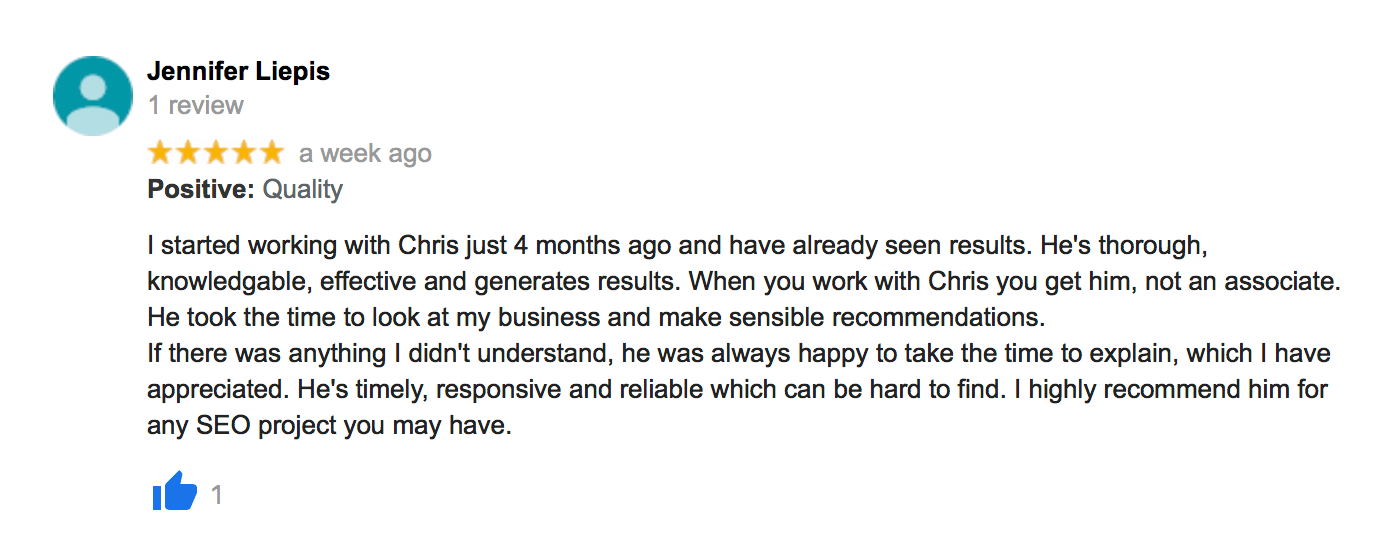
Social proof refers to the psychological phenomenon where individuals look to the behavior of others to determine what is correct or acceptable in a given situation. In marketing terms, it manifests as testimonials, reviews, ratings, and other forms of validation that can heavily influence purchasing decisions.
Types of Social Proof
Expert Approval: Endorsements from industry experts or influencers can lend significant credibility. User Testimonials: Real experiences shared by customers create authenticity. Social Media Mentions: Positive mentions on platforms like Twitter or Instagram can amplify brand visibility. Sales Figures: Sharing impressive sales statistics can demonstrate popularity. Certifications and Awards: Recognitions from reputable organizations enhance trust.The Role of Reputation Management in Building Social Proof
Why Reputation Matters
Your reputation is your most valuable asset. The perception people have of your business directly impacts their decision-making process. A strong reputation fosters trust, while a poor one can deter potential customers.
How Reputation Management Works
Reputation management involves monitoring your online presence, addressing negative feedback, and promoting positive content. It is not just about damage control; it's an ongoing process that encompasses proactive communication strategies designed to build a favorable public image.
Key Components of Effective Reputation Management:
- Monitoring Online Mentions: Use tools to track what people are saying about your brand. Engaging with Customers: Responding promptly to inquiries or complaints shows you care. Promoting Positive Content: Highlight glowing reviews and user-generated content on your website and social media channels.
Leveraging Social Proof through Effective Reputation Management Techniques
Crafting Your Brand’s Narrative
Every brand has a story; telling yours effectively can resonate with consumers. By sharing testimonials, case studies, or success stories, you create relatable narratives that prospective customers can connect with.
Utilizing User-Generated Content (UGC)
Encouraging users to share their experiences via photos or videos allows potential customers to see real-life applications of your products or services. For instance:
- Create contests encouraging users to post content featuring your product. Feature customer stories on your website and social media pages.
Engaging with Reviews
Encouraging satisfied customers to leave reviews on platforms like Google My Business or Yelp can significantly boost your reputation. Always respond professionally—thank those who leave positive feedback and address concerns raised in negative ones.
The Power of Testimonials
Collecting Customer Feedback
Implement systems for collecting feedback after transactions; surveys post-purchase can yield insightful testimonials.
Showcasing Testimonials Effectively
Utilize various formats such as:
- Textual quotes on landing pages Video testimonials shared across platforms Case studies detailing customer journeys
Social Media as a Tool for Reputation Management
Building a Strong Presence
A robust social media presence allows brands to connect personally with customers. Regular updates showcasing positive interactions foster community engagement.
Handling Negative Comments Gracefully
No business is immune from criticism; how you respond matters more than the criticism itself. Maintain professionalism when addressing concerns publicly; this demonstrates transparency and responsibility.
Influence of SEO on Reputation Management
Importance of Local SEO
For businesses targeting local audiences, optimizing for local search results ensures visibility among nearby consumers looking for services you offer.
Strategies Include:
Creating location-based landing pages Optimizing Google My Business listings Encouraging local reviewsTechnical SEO Considerations
Implementing technical SEO best practices improves site performance and helps manage online reputation by ensuring users have a seamless experience when interacting with your brand online.
Effectively Using PPC Advertising for Reputation Enhancement
Targeted Campaigns
Pay-per-click ads can promote positive content related to your brand while managing visibility during searches related to negative queries about competitors.
Example Strategies:
- Bid on keywords associated with positive aspects of your brand. Use ad extensions to showcase customer ratings or awards prominently.
Email Marketing as a Tool for Engaging Customers
Building Relationships Through Email
Craft personalized email campaigns showcasing positive reviews or testimonials while inviting satisfied customers to leave feedback after purchases further enhances engagement levels.
Best Practices Include:
Segmenting lists based on customer behavior Sending follow-up emails post-purchase Offering exclusive deals for referralsCollaborating with Digital Agencies for Comprehensive Strategy Implementation
Choosing the Right Agency
Partnering with an experienced agency—whether it's a Marketing Agency, an SEO Company, or a full-service digital agency—can take your reputation management efforts up several notches by leveraging their expertise in crafting tailored strategies suited to your unique goals.
Benefits include:
Accessing specialized skills (e.g., PPC Agency). Gaining insights through data-driven marketing approaches from analytics agencies. Receiving guidance on creative branding strategies from creative agencies.FAQ Section
What is social proof?
Social proof is the influence that others' opinions have on our own beliefs and behaviors when making decisions about products or services.
How does reputation management work?
Reputation management involves monitoring online perceptions of a brand and taking steps—both proactive and reactive—to shape public opinion positively.

Why is social proof important?
Social proof builds trust among consumers by showing them that others have had positive experiences with a brand before they make their own purchasing decisions.
How can I encourage user-generated content?
You can create incentives such as contests or discounts encouraging customers to share their experiences using photos or videos featuring your products/services online.
What role do reviews play in reputation management?
Reviews provide insights into customer satisfaction levels while influencing potential buyers’ perceptions about quality; thus they are critical components in effective reputation management strategies.
Can I handle negative comments effectively?
Absolutely! Responding professionally shows transparency while addressing concerns head-on demonstrates accountability—this approach often turns dissatisfied https://privatebin.net/?8a6b69077d8191ed#EUdyjbmWFW3ts33Tyyj7rkPzmrWd4bTw6N9zGimF7T1z customers into loyal advocates!
Conclusion
In conclusion, mastering the art of leveraging social proof through effective reputation management techniques is crucial for any business aiming to thrive in today’s competitive market landscape. By embracing various strategies—from engaging storytelling techniques to utilizing digital channels such as social media—you can significantly enhance your brand's image while driving conversions simultaneously! Whether you choose assistance from specialized agencies like an SEO Company or a Full-Service Digital Agency depends ultimately upon aligning goals yet understanding what it takes long-term will deliver the desired impact needed within any sector out there today!
Remember—the journey toward building a solid reputation may take time but investing effort now pays dividends later down the line!